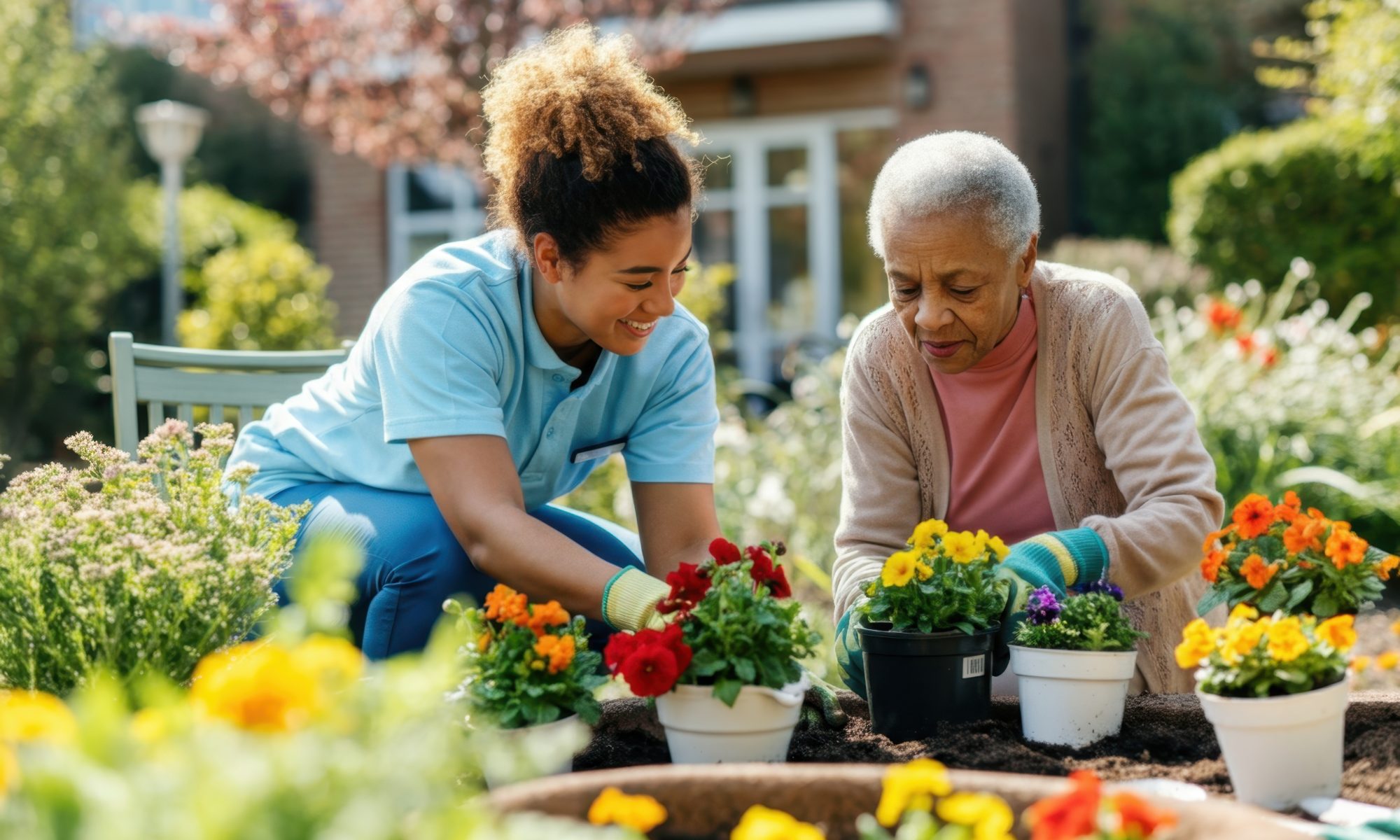
In-home care helps seniors maintain their hobbies and passions by providing physical assistance, reliable transportation, creative adaptations, and consistent companionship. Rather than simply managing daily needs, caregivers actively empower seniors to stay engaged with the activities that bring them the most joy.
As we age, physical limitations or cognitive changes can sometimes make it difficult to pursue the pastimes that once brought us joy. However, in-home care offers much more than just assistance. It also provides the essential support needed to keep these vital interests alive. By handling daily logistics and offering physical aid, caregivers empower seniors to stay engaged with the activities they love most.
How Do Caregivers Help Seniors Overcome Physical Limitations and Dexterity Issues?
Caregivers bridge the gap between a senior’s physical challenges and his or her ability to continue enjoying meaningful hobbies by handling the demanding parts so the senior can focus on what he or she loves. One of the most common reasons seniors abandon their hobbies is a decline in fine motor skills, strength, or vision. Conditions like arthritis can make holding a paintbrush, knitting needles, or woodworking tools painful or impossible.
In-home caregivers help seniors overcome physical challenges by acting as an extension of the senior’s hands. They assist with the difficult setup and cleanup phases of a hobby, allowing the senior to focus on the enjoyable parts of the activity.
Caregivers can provide physical assistance in several key ways
- Preparation – Setting up easels, threading needles, or organizing stamp collections so the materials are ready to use
- Heavy lifting – Carrying gardening soil, moving musical instruments, or retrieving heavy boxes of crafting supplies from storage
- Safety monitoring – Ensuring tools are used safely and that the workspace is free of tripping hazards, allowing the senior to work with confidence
How Does In-Home Care Help Seniors Access Transportation and Hobby Supplies?
Caregivers restore a senior’s access to the people, places, and materials that fuel his or her passions by providing dependable transportation and hands-on logistical support. For many older adults, giving up a driver’s license signifies a major loss of independence, particularly regarding their social lives and hobbies. If a senior loves playing bridge at the community center or birdwatching at a local park, the inability to drive can effectively end those activities. In-home caregivers solve this logistical hurdle by providing reliable transportation.
Beyond just driving, caregivers ensure seniors have access to the resources they need to fuel their passions:
- Shopping trips – Escorting seniors to craft stores, bookstores, or hardware stores to select their own materials, which is often part of the fun
- Social engagements – Driving seniors to book clubs, choir practice, or bingo nights, ensuring they remain connected to their communities
- Event attendance – Accompanying seniors to museums, concerts, or sporting events that align with their lifelong interests
How Can Caregivers Adapt Hobbies to Match a Senior’s Changing Abilities?
A skilled caregiver focuses on what a senior can still do, modifying familiar activities so they remain enjoyable even as health or cognitive abilities shift. When seniors face significant health changes, such as vision loss or dementia, they may feel they have to give up their passions entirely. Rather than focusing on what the senior can no longer do, the caregiver focuses on what’s still possible, modifying the activity to match current abilities.
Adaptation strategies often include:
- Modifying equipment – Introducing large-print playing cards, audiobooks for avid readers who can no longer see small text, or ergonomic gardening tools
- Simplifying tasks – Breaking down complex recipes into manageable steps or switching from intricate oil painting to watercolors or sketching
- Technology assistance – Setting up tablets for seniors to play brain games, video chat with fellow hobbyists, or listen to music playlists from their favorite era
Activities and hobbies can be especially beneficial for older adults with Alzheimer’s or other forms of dementia. Aging in place can present a few challenges for seniors living with dementia. However, with the help of professional Philadelphia dementia care, older adults can still live independently at home. Families can rely on Home Care Assistance to provide their elderly loved ones with mental and social stimulation, timely medication reminders, assistance with meal prep, and much more. Our caregivers are available around the clock to help your loved one live a happier and healthier life.
How Does Companionship from Caregivers Encourage Seniors to Stay Engaged?
A caregiver’s consistent presence transforms a solitary hobby into a shared socially enriching experience that gives seniors both the encouragement and the emotional energy to stay engaged. Depression and isolation can sap the motivation required to start a project, even if the physical ability is still there. A hobby is often less enjoyable when done alone day after day. In-home caregivers provide the companionship that turns a solo activity into a shared social event. Their presence offers encouragement, validation, and a sense of purpose.
Caregivers act as partners in these activities by:
- Active participation – Playing a game of chess, baking a cake together, or reading aloud to the senior
- Encouragement – Gently reminding the senior of scheduled activities and providing positive reinforcement to boost confidence
- Conversation – Discussing the history behind a scrapbook photo or listening to stories about the senior’s past achievements, which adds emotional depth to the activity
Philadelphia respite care can be a wonderful solution when aging adults need companionship and socialization a few hours a week or just need minor assistance with daily household tasks. At Home Care Assistance, we thrive on helping seniors maintain their independence while living in the comfort of home.
Maintaining hobbies is just one of the many ways seniors can enjoy a high quality of life. If your aging loved one needs help managing everyday tasks or encouragement to adopt healthier lifestyle choices, turn to Home Care Assistance, a leading provider of Philadelphia senior care. Home Care Assistance provides professional in-home caregivers around the clock to help seniors live longer, happier, and healthier lives. Reach out to one of our Care Managers today to learn more about our high-quality home care services.
Frequently Asked Questions
Can home care services support seniors in pursuing hobbies?
+
Yes, caregivers can assist with setting up activities, providing materials, and offering encouragement to help seniors enjoy their favorite hobbies.
What types of hobbies can be supported through home care?
+
Home care can support a wide range of hobbies, including gardening, crafting, painting, reading, and even light cooking or baking.
How do hobbies benefit seniors receiving home care?
+
Engaging in hobbies promotes mental stimulation, reduces stress, and enhances overall wellbeing and happiness.
Can caregivers introduce new hobbies to seniors?
+
Absolutely, caregivers can suggest and explore new hobbies based on the senior’s interests and abilities.
Are group activities or social hobbies possible with home care?
+
Yes, caregivers can facilitate group activities or help seniors connect with local clubs and virtual communities to enjoy social hobbies.