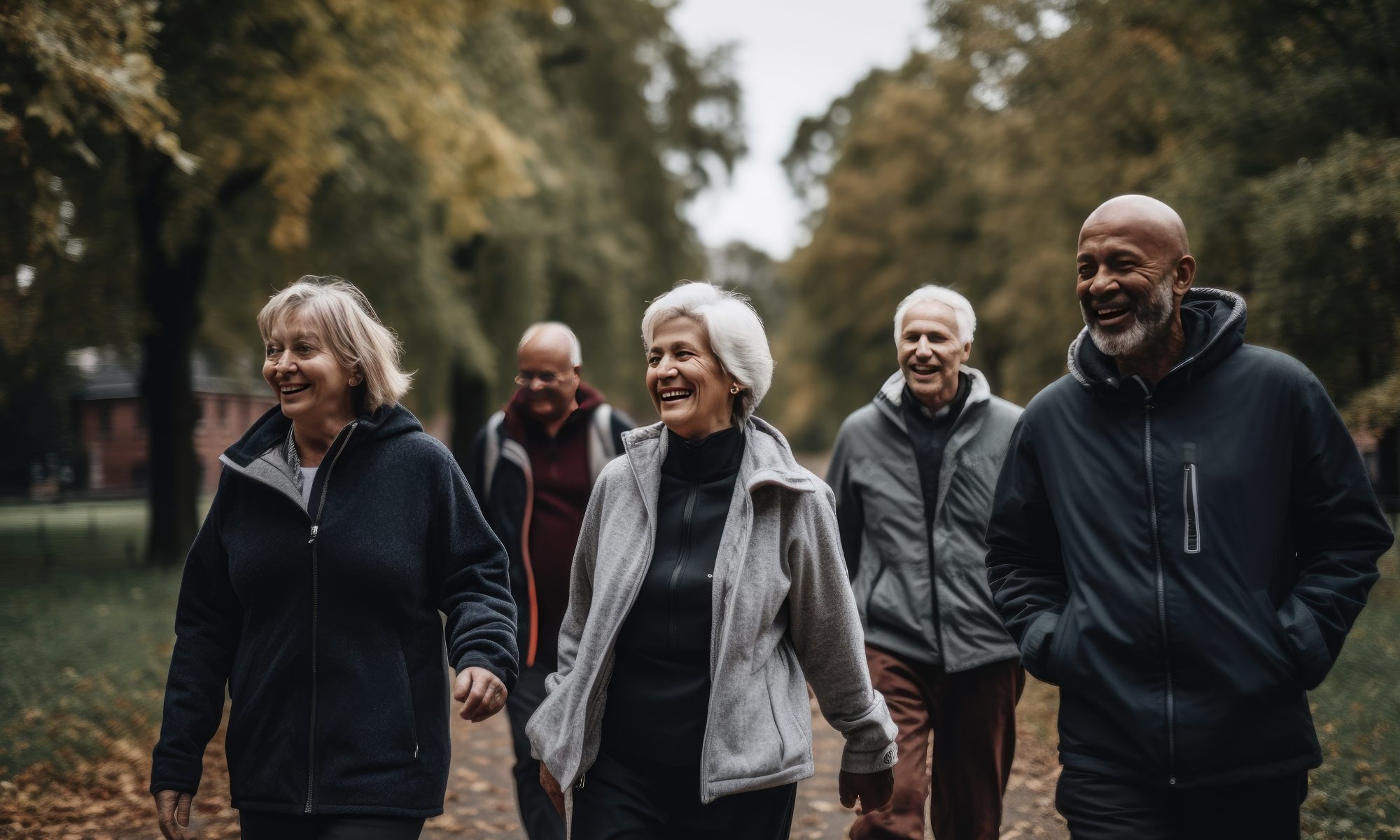
Social engagement in home care lowers physical and cognitive decline risk by keeping the brain stimulated and reducing the harmful health effects of chronic loneliness. Regular interaction with caregivers provides seniors with a sense of purpose and reliable daily routines. This consistent emotional connection ultimately preserves their independence and overall wellbeing for a longer period.
How Does Conversation Stimulate Cognitive Function?
Engaging in regular conversations challenges the brain to process information, recall memories, and formulate thoughtful responses. This daily mental workout helps the brain maintain critical neural pathways and can slow the progression of memory-related conditions. Caregivers facilitate this stimulation by discussing current events, asking clients about their past experiences, or engaging in collaborative storytelling.
Why Is Emotional Support Critical for Physical Health?
Chronic isolation often leads to depression, which is directly linked to weakened immune systems and higher risks of cardiovascular disease. When home care professionals provide consistent companionship, they lower a senior’s stress hormones and blood pressure.
Key physical benefits of emotional support include:
- Reduced risk of heart disease
- Better overall sleep quality
- Faster recovery times from minor illnesses
Participating in hobbies or light household tasks with caregivers encourages seniors to move around and stay physically active throughout the day. A home caregiver can safely guide an older adult through a neighborhood walk, a light gardening session, or a daily stretching routine. This shared physical engagement prevents severe muscle atrophy and significantly reduces the risk of dangerous falls.
When their aging loved ones need companionship and socialization a few hours a week or just need minor assistance with daily household tasks, Philadelphia respite and Hourly Care can be a wonderful solution. At Home Care Assistance, we thrive on helping seniors maintain their independence while living in the comfort of home.
How Can Caregivers Foster Connections with the Outside World?
Home care professionals act as a vital bridge between isolated seniors and their broader communities. They can assist with setting up video calls with family members, organizing visits from neighbors, or providing reliable transportation to local social events. By removing the technical and logistical barriers to socializing, caregivers ensure their clients remain active, confident participants in society.
If your elderly loved one needs help maintaining a high quality of life while aging in place, reach out to Home Care Assistance, a trusted provider of Philadelphia home care. Our caregivers provide transportation to and from medical appointments and social events, nutritious meal preparation, assistance with daily exercise, and help with everyday tasks like bathing, grooming, and light housekeeping.
Aging in place can present a few challenges for seniors living with dementia. However, with high-quality professional dementia care that offers Philadelphia families much-needed peace of mind, older adults can still live independently at home. Families can rely on Home Care Assistance to provide their elderly loved ones with mental and social stimulation, timely medication reminders, assistance with meal prep, and much more. Our caregivers are available around the clock to help your loved one live a happier and healthier life. Contact one of our experienced Care Managers today to learn more about our reliable in-home care services.
Frequently Asked Questions
What is social engagement in home care?
+
Social engagement in home care refers to the meaningful interactions and activities shared between seniors and their caregivers. It goes beyond basic medical or physical assistance to include dedicated companionship, conversation, and emotional support.
Can loneliness actually cause physical illness in seniors?
+
Yes, prolonged loneliness increases the body’s cortisol and stress levels, which can lead to higher blood pressure and weakened immunity. Staying socially active safely mitigates these severe stress-related health risks.
How do caregivers encourage reluctant seniors to socialize?
+
Caregivers gently introduce socialization by focusing on the senior’s specific personal interests, such as a favorite card game or a beloved hobby. They consistently build trust over time, making the senior feel safe and more willing to open up to others.
Does social interaction help with dementia?
+
Consistent social interaction provides vital mental stimulation that can slow the progression of cognitive decline in dementia patients. It also reduces confusion-related agitation and boosts the overall daily mood of those living with memory loss.