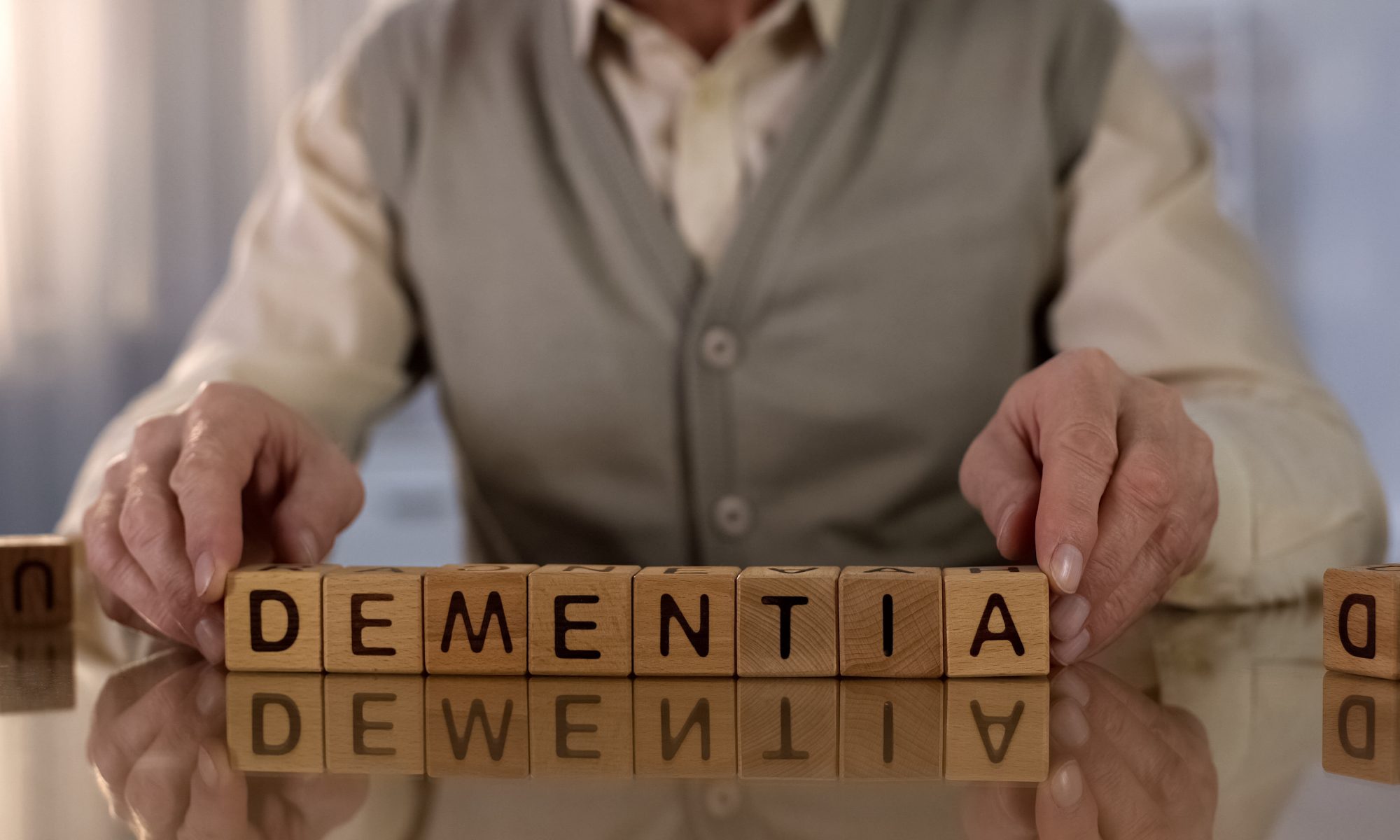
The most common misconceptions about dementia caregiving include believing dementia is only memory loss, thinking correction helps, assuming caregivers must work alone, and believing enhanced quality of life or planning is impossible. Understanding the realities behind these myths helps caregivers provide more compassionate, effective, and sustainable care.
Caring for a senior loved one with dementia is a journey often clouded by misunderstanding. Navigating the complex reality of this disease requires dispelling the myths that can lead to frustration, guilt, and burnout for dedicated caregivers.
Is Dementia Only about Memory Loss?
Dementia affects multiple aspects of cognitive and physical function, not just memory. One of the most pervasive myths is that dementia begins and ends with forgetfulness. While memory loss is a hallmark symptom, dementia is actually a syndrome a group of symptoms that affects cognitive function far beyond the ability to recall names or dates. It impacts reasoning, judgment, communication, and even physical abilities.
Family caregivers often feel blindsided when their loved ones begin to exhibit behavioral changes such as aggression, paranoia, or withdrawal. Understanding these behaviors are manifestations of the disease rather than intentional acts is crucial. It helps caregivers approach difficult situations with empathy rather than frustration. Recognizing the full spectrum of symptoms allows for better preparation and more comprehensive care strategies that address emotional and physical needs alongside cognitive ones.
Alzheimer’s disease is the most common type of dementia. If you need reliable Alzheimer’s care for your loved one living in Philadelphia, turn to Home Care Assistance. We are a leading provider of professional memory care designed to help seniors maintain a higher quality of life. In addition to Alzheimer’s care, we also provide comprehensive dementia, Parkinson’s, and stroke care. From revolutionary care programs to compassionate and dedicated caregivers, we can meet all of your Alzheimer’s care needs.
Should You Correct a Loved One with Dementia?
Correcting someone with dementia often increases distress rather than improving understanding. It’s a natural human instinct to want to correct someone when he or she says something factually incorrect. However, in dementia caregiving, trying to force seniors with dementia back into “our” reality is rarely helpful and often counterproductive. This approach typically leads to agitation, confusion, and distress for both seniors and their caregivers.
Instead, experts recommend a technique known as “therapeutic lying” or entering their reality. If your loved one believes he or she needs to go to work or a deceased relative is visiting, arguing serves no purpose. Validating your loved one’s feelings and redirecting the conversation is far more effective. For example:
- Validate – “It sounds like you miss your mother very much.”
- Redirect – “Tell me about her favorite meal she used to cook.”
This method preserves your loved one’s dignity and reduces anxiety, creating a calmer environment for everyone involved.
Do Caregivers Need to Handle Dementia Care Completely Alone?
Dementia caregiving is most effective when support systems are involved rather than relying on one person. Many caregivers fall into the trap of believing they’re the only ones capable of caring for their loved ones properly or asking for help is a sign of failure. This “martyr mentality” is a fast track to caregiver burnout, which ultimately compromises the quality of care provided.
Dementia care is rarely a one-person job. It requires a village, whether that includes family members, friends, professional caregivers, or support groups. Respite care is a necessity. Utilizing adult day care centers or in-home caregivers can provide family caregivers with essential time to recharge. Furthermore, joining support groups connects caregivers with others facing similar challenges, breaking the isolation that often accompanies the role. Accepting help allows caregivers to sustain their health and energy for the long haul.
Is It True that Quality of Life Cannot Get Better with Dementia?
Quality of life can still be enhanced through thoughtful care strategies and meaningful engagement. While dementia is a progressive and currently irreversible condition, the belief that quality of life cannot be enhanced or maintained is false. There’s a misconception that once a diagnosis is made, it’s a steady decline with no moments of joy or connection.
Focusing on what your loved one can still do rather than what he or she has lost can significantly enhance his or her wellbeing.
- Music and art – Engaging in creative activities can unlock memories and emotions language cannot reach.
- Routine – Establishing a predictable daily routine provides a sense of security and reduces anxiety.
- Sensory stimulation – Simple pleasures like hand massages or looking at old photos can foster connection.
Even in advanced stages, individuals with dementia can experience happiness, comfort, and love. Small adjustments in the environment and communication style can lead to “good days” when meaningful interaction occurs.
Aging in place can present a few challenges for seniors living with dementia. However, with high-quality professional dementia home care that offers Philadelphia families much-needed peace of mind, older adults can still live independently at home. Families can rely on Home Care Assistance to provide their elderly loved ones with mental and social stimulation, timely medication reminders, assistance with meal prep, and much more. Our caregivers are available around the clock to help your loved one live a happier and healthier life.
Is It Ever Too Late to Plan for Dementia Care Needs?
Another dangerous myth is once symptoms appear, it’s too late to make legal or financial plans. While early planning is ideal, it’s never too late to start organizing for the future. As long as your loved one still has the legal capacity to sign documents, he or she can designate powers of attorney and make his or her wishes known.
Even if capacity is lost, families can still pursue guardianship or conservatorship to ensure their loved one’s assets and health are protected. Waiting often complicates matters, leading to crises when emergency decisions need to be made. Proactive planning regarding living arrangements, medical interventions, and financial management reduces stress and ensures your loved one’s care aligns with his or her values and resources.
While there’s currently no cure for dementia, a professional caregiver can help your loved one live with the symptoms of the condition in the comfort of home. If you have a senior loved one who needs help maintaining a high quality of life while aging in place, reach out to Home Care Assistance, a leading provider of home care Philadelphia families can trust. Our caregivers help seniors focus on healthy lifestyle habits such as eating nutritious foods, exercising regularly, and maintaining strong social ties, and our Cognitive Therapeutics Method offers mentally stimulating activities that can boost cognitive health. For reliable in-home care services, contact us today.
Frequently Asked Questions
What services are included in dementia home care?
+
Dementia home care includes assistance with daily tasks, medication reminders, safety monitoring, and activities designed to support cognitive function.
How do caregivers handle challenging behaviors in dementia patients?
+
Caregivers are trained to manage behaviors like agitation or confusion with patience, redirection techniques, and a calm approach.
Can dementia home care enhance quality of life?
+
Yes, personalized care plans and consistent routines can reduce stress and create a supportive environment, enhancing overall wellbeing.
Is dementia home care suitable for individuals with advanced stages of the condition?
+
Dementia home care can be adapted to meet the needs of individuals at any stage, including advanced care for complex needs
How do I choose the right dementia home care provider?
+
Look for providers with experience in dementia care, trained caregivers, and a focus on creating personalized, compassionate care plans.